

The Hidden Cost of Overpaying for Materials

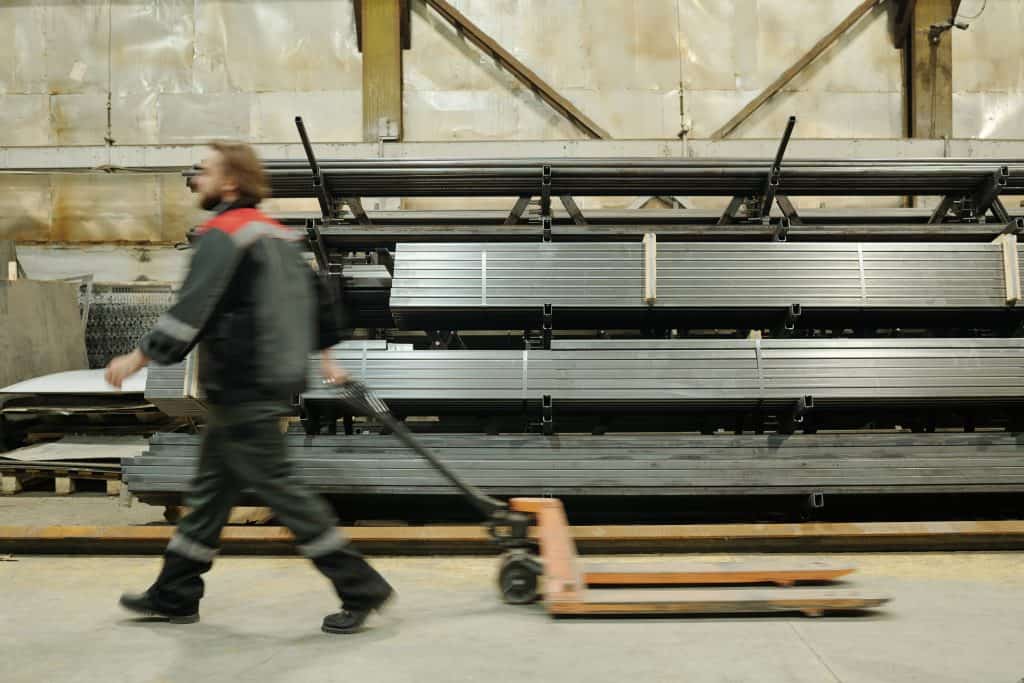
In custom manufacturing, materials are often the largest upfront expense on a job. Whether it’s aluminum, steel, or specialty plastics, what you pay for raw stock directly impacts your margins. But too many shops accept their supplier’s first quote without realizing the hidden costs of overpaying for materials.
Why Overpaying Hurts More Than You Think
- Shrinking Margins
On a $20,000 order, even a 5% markup on materials can erase $1,000 in profit. Over the course of a year, those small hits add up to tens of thousands of dollars in lost margin. - Lost Competitiveness
If your material costs are higher than your competitors’, you may be forced to inflate your quotes—or cut your margin just to stay competitive. Both paths put your shop at risk. - Opportunity Cost
Cash tied up in overpriced material can’t be used to invest in new equipment, hire skilled labor, or take on bigger jobs. Overpaying slows growth.
Why Shops Overpay
- Lack of time: Most small shops don’t have the bandwidth to get multiple quotes on every material order.
- Limited vendor network: Relying on one or two distributors leaves you vulnerable to uncompetitive pricing.
- Opaque pricing: Material markets fluctuate, and without visibility, it’s hard to know if you’re getting a fair deal.
How to Fix It
The key is creating competitive pressure on suppliers and giving yourself more visibility:
- Source at scale: Aggregating multiple vendor quotes ensures you’re always benchmarking pricing.
- Centralize purchasing: Streamlining sourcing means you save time and avoid one-off markups.
- Leverage technology: Platforms like MFG Materials automate the process—collecting quotes from a wide vendor network and passing along discounts, without adding extra work for your team.
The Bottom Line
Overpaying for materials isn’t just an expense—it’s a silent margin killer. By treating material sourcing as strategically as quoting, you can protect your profitability, compete on price, and grow your shop faster.
Start sourcing smarter with MFG Materials.




Responses