

Tariffs, Supply Chains & U.S. Manufacturing: The 2025 Update

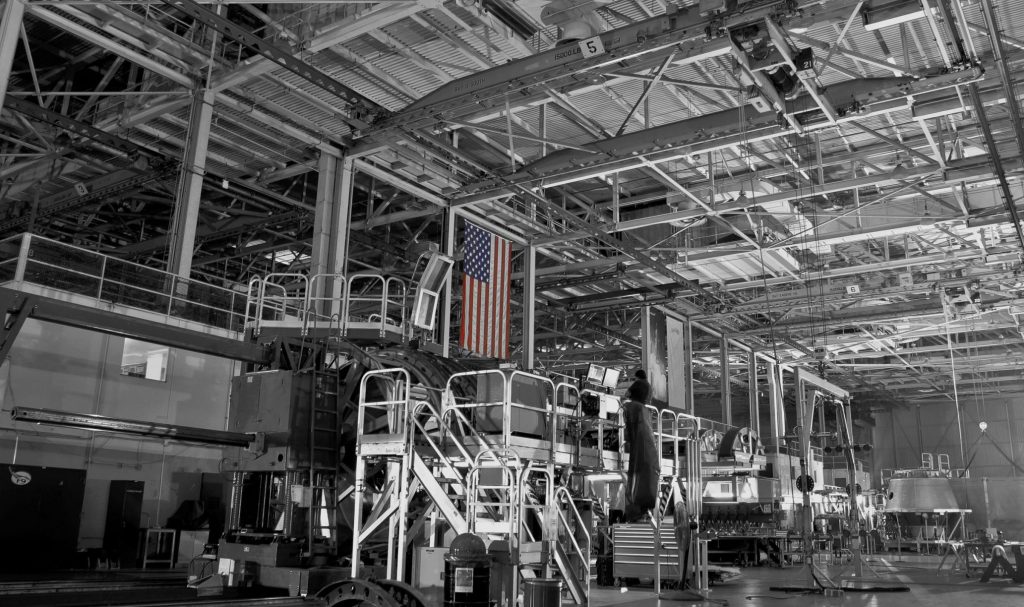
When we first published “How Trump’s Proposed Tariffs Could Reshape Supply Chains and Boost U.S. Manufacturing”, the policies were still taking shape. Today, half a year later, we can see how policy, buyer behavior, and supply chains are adjusting—and what that means for U.S. manufacturing. This update covers where we are now, what’s likely coming, and how proactive shops can position themselves to win.
What’s Changed: Six Months In
- Tariff policy remains a moving target
Some proposed tariffs have been delayed or softened, but many remain in effect for industrial goods such as steel, aluminum, and specialized components. Tariff uncertainty is a persistent drag on sourcing decisions. - Reshoring is no longer fringe talk—it’s tactical
More procurement teams are including “U.S.-only” sourcing clauses or giving preferential weight to domestic suppliers. This shift isn’t universal yet, but it’s producing real RFQ behavior changes. - Cost pressures are real—and felt across the chain
Tariffs, logistics volatility, and raw material inflation have squeezed margins. Some shops are absorbing the hit; others are pushing surcharges or revising quotes upward mid-project. - Delays and capacity bottlenecks persist domestically
Even local suppliers are reacting to labor constraints, supply delays, and capacity backlogs. This gives nimble, nearby manufacturers a chance to win urgent or priority jobs.
New Data & Metrics That Matter
- Tariff rate forecast: Analysts expect U.S. effective import tariffs to approach 22% in 2025, the highest since the early 20th century.
- Tariff revenue collected: Yale’s Budget Lab reports ~$88B collected to date, with ~$23B from just one month’s tranche.
- Margin stress: A KPMG survey found ~60% of companies saw margin declines tied to tariffs; ~25% lost more than 6–10%.
- Broader coverage: Capital Group / Kilpatrick report that tariffs have expanded to over 400 additional goods categories, including many downstream components.
- Investment drag: U.S. Congressional analysis (Joint Economic Committee) forecasts a 13% annual reduction in domestic manufacturing investment due to policy uncertainty—amounting to ~$490B fewer dollars by 2029.
- Shop-level impact: In manufacturer surveys, 55% of shops cite 10–15% margin erosion; 75% are passing costs to buyers; <10% have fully reshored operations.
These numbers aren’t theory—they reflect real pressures for businesses, quoting pipelines, and day-to-day shop decisions.
What’s Coming: Trends to Watch
- Tariff policy may reemerge as a tool. With elections approaching, proposals targeting advanced tech, critical components, or climate-linked imports may appear.
- Stronger domestic incentives. Expect more federal and state grants, tax breaks, and regulatory levers to favor U.S. manufacturing.
- Buyer sourcing behavior solidifies. “Domestic supplier” may shift from a differentiator to a minimum requirement in many RFQs.
- Dual sourcing becomes standard. Buyers will demand backup suppliers to hedge risk. Being one of their backups is a win.
- Supply chain segmentation intensifies. Firms will more explicitly allocate which suppliers handle strategic vs commodity components.
How to Stay Prepared & Win
- Lead with U.S. capability
On your profile and proposals, emphasize domestic production, shorter lead times, and tariff-risk avoidance. - Diversify your material base
Keep secondary domestic suppliers, negotiate forward contracts, and plan buffer stocks. - Look for “U.S.-only” opportunities
On MFG, filter for RFQs with domestic preference, and keep an eye on local and government projects that reward U.S.-made parts. - Monitor policy & grant programs
Policies and incentives are changing fast. A few minutes of research can uncover grants or credits that give you an edge. - Ask buyers what matters most
Whether it’s lead time, proximity, or tariff stability, understanding their priorities helps you quote smarter. - Be clear and upfront
Show your risks and assumptions in quotes. Buyers appreciate clarity—especially in volatile times. - Keep your profiles fresh
Update photos, certifications, and machine lists. Small details make a big difference when buyers are comparing shops.
Looking Ahead
The manufacturing landscape is evolving rapidly—and with it, new opportunities are emerging for shops that stay adaptable. At MFG, we’re here to help you navigate the changes, connect with the right buyers, and stay competitive as the market continues to shift.
Sources
- Yale Budget Lab — U.S. Tariff Revenue Tracker (2025)
- KPMG — 2025 Manufacturing Outlook Survey
- Capital Group / Kilpatrick — Tariff Expansion and Downstream Impacts Report (2025)
- U.S. Joint Economic Committee — Manufacturing Investment Analysis (2025)
- Supply Chain Digital — CEO Reactions to 2025 Tariff Disruptions
- QIMA — Q3 2025 Supply Chain Signals Report
- Elchemy — Impact of U.S. Tariffs on Specialty Chemicals (2025)
- CEPro — How Tariffs Have Impacted the AV Supply Chain (2025)




Responses